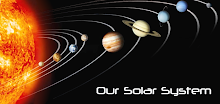
1)It is in the center of our solar system
2)A cool temperature on the sun is 11,ooo degrees F
3)It is the closest star to Earth
4)Even if we could visit the sun we would be to heavy to walk
5)The sun is 92.96 million miles away from Earth
Saturday, January 17, 2009

Mercury
1)It is the closest planet to the sun
2)It is the first out of four terrestrial planets
3)It is the smallest planet in our solar system
4)You would have to stay up 167 of our days to equal one of Mercury's day
5)It can get up to 870 degrees F in Mercury
2)It is the first out of four terrestrial planets
3)It is the smallest planet in our solar system
4)You would have to stay up 167 of our days to equal one of Mercury's day
5)It can get up to 870 degrees F in Mercury
Friday, January 16, 2009
Venus
1)If Earth had a twin it would be Venus
2)It has no moons
3)It is the second closest planet to the sun
4)If you went to Venus it would be hot, confusing and yucky
5)It is the second terrestrial planet
2)It has no moons
3)It is the second closest planet to the sun
4)If you went to Venus it would be hot, confusing and yucky
5)It is the second terrestrial planet
Earth
1)It has been the only planet, so far that they know of, that has living creatures on it.
2)It is the third terrestrial planet
3)It has one none moon
4)71% of the Easrth is covered with salt-water oceans
5)It is a home to millions of speices
2)It is the third terrestrial planet
3)It has one none moon
4)71% of the Easrth is covered with salt-water oceans
5)It is a home to millions of speices
Mars
1)It is the forth terrestrial planet
2)It has two none moons
3)an average temperature on Mars is -125 to 23 degrees F
4)Mars is like Earth except smaller drier and colder
5)also none as the Red Planet
2)It has two none moons
3)an average temperature on Mars is -125 to 23 degrees F
4)Mars is like Earth except smaller drier and colder
5)also none as the Red Planet
Jupiter
1)It is the biggest planet in our solar system
2)It has 62 none moons a few of them planet size
3)1321 earths could fit inside Jupiter
4)Jupiter has one ring aroud it and it is mostly made up from dust particals
5)Jupiter is like a big ball of gas. It would not be a nice place to visit
2)It has 62 none moons a few of them planet size
3)1321 earths could fit inside Jupiter
4)Jupiter has one ring aroud it and it is mostly made up from dust particals
5)Jupiter is like a big ball of gas. It would not be a nice place to visit
Saturn
1)It has 60 none moons (52 of them are named)
2)There are three other planets that have rings around them but Saturn's are the biggest
3)the 6th planet fro the sun
4)It is made up of mostly gas including hydrogen, helium, and methane.
5)A normal temperature at Saturn is -217 degrees F
2)There are three other planets that have rings around them but Saturn's are the biggest
3)the 6th planet fro the sun
4)It is made up of mostly gas including hydrogen, helium, and methane.
5)A normal temperature at Saturn is -217 degrees F
Uranus
1)The normal temperature at Uranus is -328 degrees Fahrenheit
2)It has 27 none moons
3)Its day, in our time ,is 17.24 hours long
4)It has 11 rings
5)It was discoverd in 17891
2)It has 27 none moons
3)Its day, in our time ,is 17.24 hours long
4)It has 11 rings
5)It was discoverd in 17891
Thursday, January 15, 2009
Neptune
1)It has 13 moons
2)It was discovered on September 23, 1846
3)The farthest planet from the sun
4)Has a planetary ring system
5)In our time Neptunes dat is 16 hours, 6 min, and 36 seconds
2)It was discovered on September 23, 1846
3)The farthest planet from the sun
4)Has a planetary ring system
5)In our time Neptunes dat is 16 hours, 6 min, and 36 seconds
Pluto
1)it is not a real planet but, a dwarf planet
2)Has three moons
3)The temperature is -356 degrees fahrenheit
4)It takes 248 for it to travel around the sun
5)6.4 of Earths days is one of pluto's days
2)Has three moons
3)The temperature is -356 degrees fahrenheit
4)It takes 248 for it to travel around the sun
5)6.4 of Earths days is one of pluto's days
Subscribe to:
Posts (Atom)
stars

Stars